
March was a busy month for the Kaunas RATC team, with meetings with the academic community and practical discussions on circular economy. The events not only presented how the waste management system works, but also discussed how it should work – between theoretical models and reality.
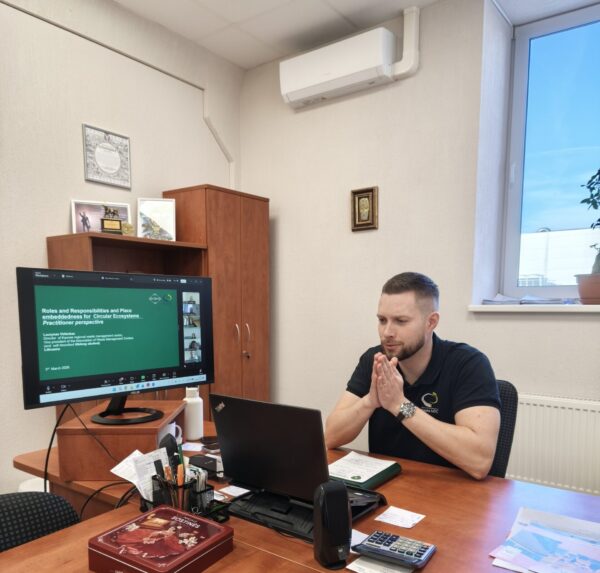
3 March. Laurynas Virbickas, Director of Kaunas RATC, took part in an international panel discussion “Orchestrating Circular Ecosystems: a Symphony or a Cacophony?” organised by researchers from the University of Manchester, UK, together with the British Academy of Management. In the discussion, academics and practitioners from different countries discussed how circular ecosystems are built and operate, who the actors are and how they coordinate with each other. The name itself – symphony or cacophony – became the main focus of the discussion: whether the system is indeed working coherently or whether there is still a lack of alignment between different interests and responsibilities.
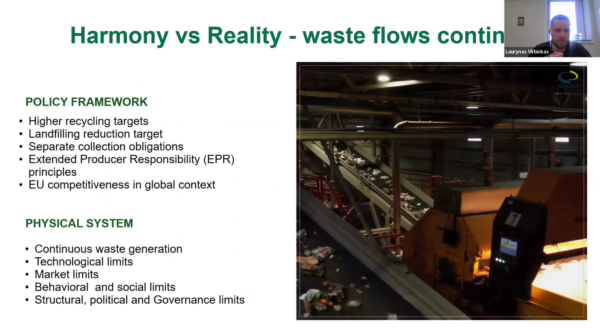
The theoretical part was presented by KTU professor Lina Dagilienė, and in the practical part Kaunas RWMC director L. Virbickas showed how it looks like in reality – he presented the regional waste management system, its participants and principles of operation. It was pointed out that although the system is moving towards more coordination, decisions still depend on different institutions, and in reality there are technological, market, population behaviour and management constraints.
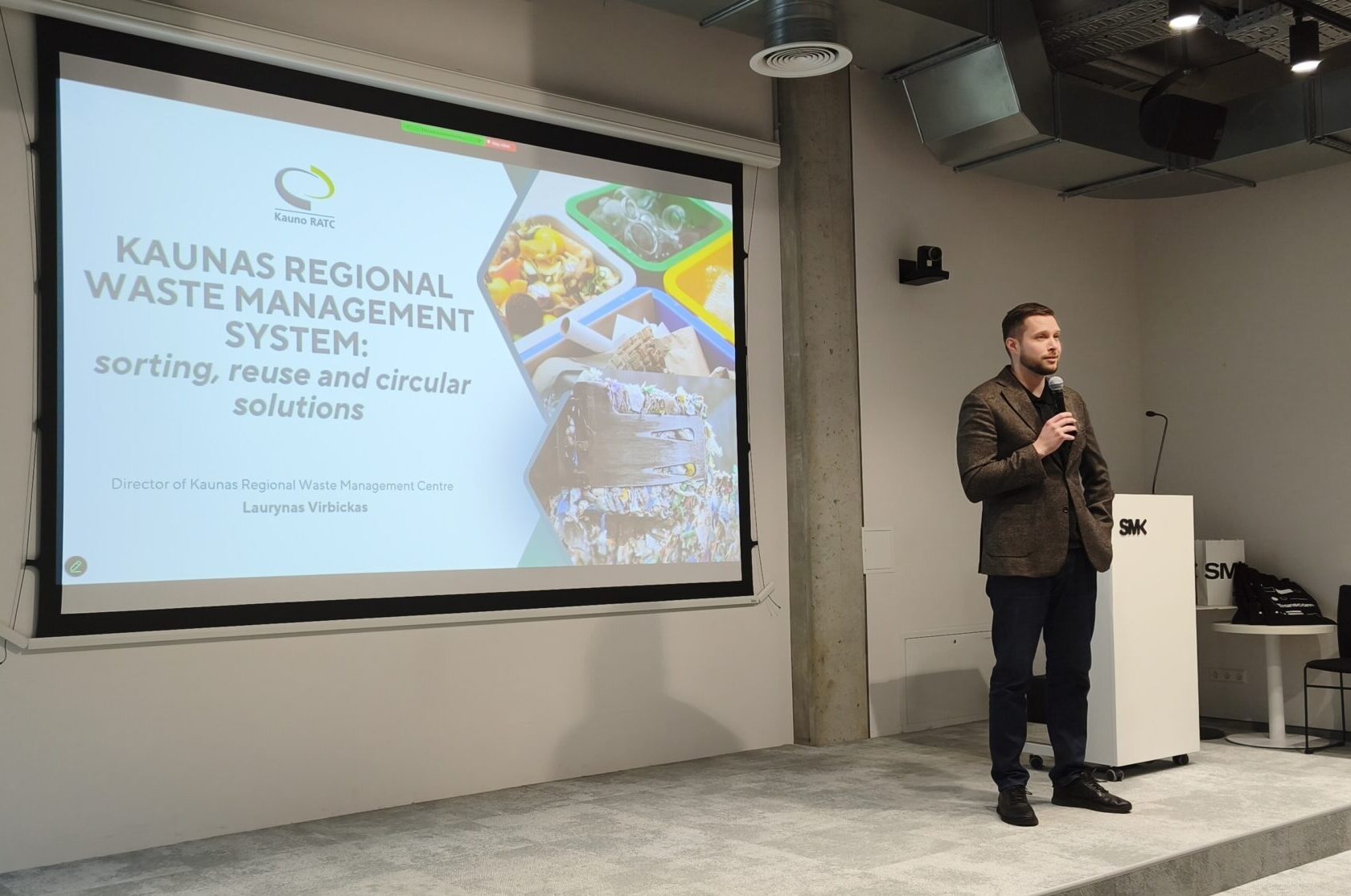
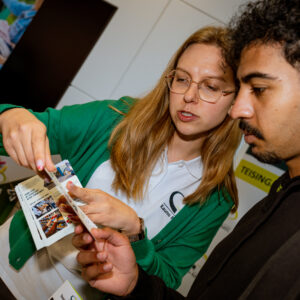
18 March. Kaunas RATC team took part in the international conference “EcoVibe”, organised by the College of Social Sciences. It is an interdisciplinary sustainability event that brings together science, business and the community to not only talk about sustainability, but also to show how it works in practice. L. Virbickas, Director of Kaunas RWMC, presented the Kaunas regional waste management system: sorting, reuse and circular solutions.
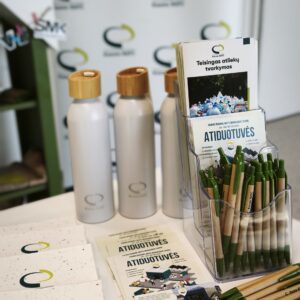
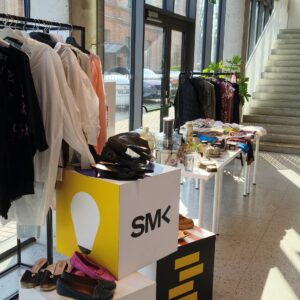
The event focuses on the re-use of objects – a key part of the circular economy. The international students were introduced to the “Atiduotuvių” points operating in Kaunas region, their activities and the possibilities for residents to share their reusable items. Plans to create a re-use and display centre were also presented, which would allow to expand this activity even further.
We are happy to share our experiences and engage in joint discussions that help bring academic approaches and practical solutions closer together.
Information – Kaunas RATC
Vaidai – Kaunas RATC and Kaunas College of Social Sciences ( Liutauras Sutkevičius)